“cash crops” search results (200)

Yunnan Xincheng Farm
Wang Guoshi, legal representative of the farm, with registered capital of 7.78 million yuan and total assets of 14.92 million yuan, mainly produces and sells processed coffee, pepper, mango, longan, banana and other tropical cash crops and fruits. The farm has a total population of 2036, with a total land area of 13125.58 mu, including 4500 mu of coffee, 153mu of pepper and the rest of tropical fruit. Annual output of 320 tons of coffee and 18 tons of pepper
2014-04-27 Yunnan New Town Farm legal Representative Kingdom registered Capital 7.78 million yuan
Coffee growing areas and major producing areas in Tanzania
Coffee is one of the main cash crops in Tanzania, ranking fourth after cotton, tobacco and cashew nuts, mainly sold to Italy, Japan and the United States. Coffee exports play an important role in the national economy of Tanzania. Tanzania's main coffee producing area is located at the foot of Mount Kilimanjaro, which is rich in volcanic soil.
2016-06-08 Tanzania coffee cultivation region main producing area want
Introduction to the quality of coffee beans in Tanzania
Coffee is one of the main cash crops in Tanzania, ranking fourth after cotton, tobacco and cashew nuts, mainly sold to Italy, Japan and the United States. Coffee exports play an important role in the national economy of Tanzania. Tanzania's main coffee producing area is located at the foot of Mount Kilimanjaro, which is rich in volcanic soil.
2016-06-13 Tanzania coffee beans quality introduction coffee want cash crops
From planting coffee trees to harvesting coffee beans
Coffee trees take 3-5 years from planting to fruiting. 6-10 years of coffee trees are the most likely to bear fruit, about 15-20 years, is the harvest period.
2014-07-14 Coffee knowledge coffee tree planting coffee planting process coffee beans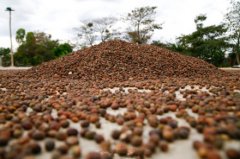
The coffee growing belt lies in the tropics between the Tropic of Cancer and the Tropic of Cancer.
Most of the coffee producing areas in the world are located in the tropics between the Tropic of Cancer and the Tropic of Cancer, which we call the coffee belt and Coffee Belt or Coffee Zone in English. As a tropical cash crop, coffee trees grow in coffee belts with excellent climatic conditions, where the sun shines all the year round, is rich in calories and Rain Water, and the annual average temperature is above 20 ℃. But the high temperature
2015-01-19 Coffee planting located Tropic of Cancer occasional tropical regional global most
Introduction to Mercedes Manor with the flavor and taste characteristics of Salvadoran coffee
The civil war in 1980 caused government forces and guerrillas to deal a blow to the coffee industry, as well as natural disasters, as well as the collapse in international raw bean prices between 1986 and 1987, all of which adversely affected the coffee industry. in fact, 80 years ago, the foreign exchange earned by coffee also assisted the country's clothing industry and contributed to the Ministry of Light Industry. And the marketing and export controlled by the government are even more disadvantageous to the whole industry.
2016-07-12 El Salvador coffee flavor taste characteristics introduction Mercer des manor 1
The coffee growing belt is located in the tropics between the Tropic of Cancer and the Tropic of Cancer.
Most of the coffee producing areas in the world are located in the tropics between the Tropic of Cancer and the Tropic of Cancer, which we call the coffee belt and Coffee Belt or Coffee Zone in English. As a tropical cash crop, coffee trees grow in coffee belts with excellent climatic conditions, where the sun shines all the year round, is rich in calories and Rain Water, and the annual average temperature is above 20 ℃. But the high temperature
2015-10-20 Coffee planting producing areas located in Tropic of Cancer occasional tropical regional global large
Burundian Coffee Flavor and Taste introduce Burundian boutique coffee beans
Burundi is one of the least developed countries declared by the United Nations. The economy is dominated by agriculture and animal husbandry. More than 90% of the country's population is engaged in agriculture and animal husbandry, and the main food crops are corn, rice, sorghum, potatoes, plantains and so on. The main cash crops are coffee, tea, cotton and so on. Animal husbandry has declined in recent years. The main industries are agricultural products processing, textiles, cigarettes, power generation and so on. Burundi
2016-07-29 Burundi coffee flavor taste introduction boutique coffee beans United Nations
Major coffee producer Tanzania coffee producer
Coffee is one of Tanzania's main cash crops, ranking fourth after cotton, tobacco and cashew nuts among Tanzania's export crops, mainly exported to Italy, Japan and the United States. Coffee exports occupy an important position in Tanzania's national economy. Tanzania's main coffee-producing area is located at the foot of Mount Kilimanjaro, which has rich volcanic soil. Coffee trees planted here include
2016-06-18 Main Production Coffee Maintenance Economy Country Tanzania Country of origin
Tanzania Coffee Bean Varieties and Production Methods
Coffee is one of Tanzania's main cash crops, ranking fourth after cotton, tobacco and cashew nuts among Tanzania's export crops, mainly exported to Italy, Japan and the United States. Coffee exports occupy an important position in Tanzania's national economy. Tanzania's main coffee-producing area is located at the foot of Mount Kilimanjaro, which has rich volcanic soil. Coffee trees planted here include
2016-06-04 Tanzania coffee beans varieties production methods coffee important economy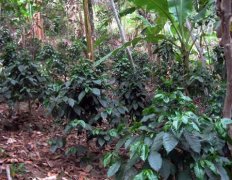
Production of coffee beans coffee output
Coffee trees take 3-5 years from planting to fruiting. 6-10 years of coffee trees are the most likely to bear fruit, about 15-20 years, is the harvest period. Coffee trees are usually bred in nurseries and grow into saplings, and then moved to coffee farms a year later, in full compliance with the way the Arabs planted and cultivated coffee trees. Coffee trees will continue to take root downward and upward in the first four or five years of their growth.
2014-09-25 Coffee bean production coffee output
Introduction of the whole process from coffee tree to fruiting
One of the characteristics of a coffee tree is that its fruit can bear fruit several times a year, and another is that flowers and fruits (also known as cherries) coexist at different stages of ripening. The whole coffee harvest is swayed by the vagaries of nature. If the fruit is too ripe, the beans in it will rot. If it is not ripe enough, the beans picked will not ripen by themselves. So bean pickers have to go through
2016-06-13 Coffee fruit whole process introduction coffee characteristics first its fruit.
Cherish the coffee in your hand. You never know when you'll lose it.
This is not my alarmist, it is the US government that says. Coffee is the most vulnerable cash crop to global warming, they told an environmental conference last week. Coffee is a crop that is extremely sensitive to temperature changes, and the greenhouse effect of rising temperatures can put the world's coffee-producing regions in a very dangerous situation. Environmental Protection Officer Gina McCar
2015-08-07 Cherish hand coffee not sure one day drink arrived not it is me dangerous words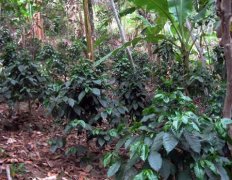
The production of high-quality coffee beans
Coffee trees take 3-5 years from planting to fruiting. 6-10 years of coffee trees are the most likely to bear fruit, about 15-20 years, is the harvest period. Coffee trees are usually bred in nurseries and grow into saplings, and then moved to coffee farms a year later, in full compliance with the way the Arabs planted and cultivated coffee trees. Coffee trees will continue to take root downward and upward in the first four or five years of their growth.
2014-09-30 Coffee knowledge boutique coffee science coffee bean production
Analysis of the process from coffee tree planting to coffee bean harvest
Coffee trees take 3-5 years from planting to fruiting. 6-10 years of coffee trees are the most likely to bear fruit, about 15-20 years, is the harvest period. Coffee trees are usually bred in nurseries and grow into saplings, and then moved to coffee farms a year later, in full compliance with the way the Arabs planted and cultivated coffee trees. Coffee trees will continue to take root downward and upward in the first four or five years of their growth.
2015-05-14 Coffee planting coffee beans harvest process analysis coffee results 3-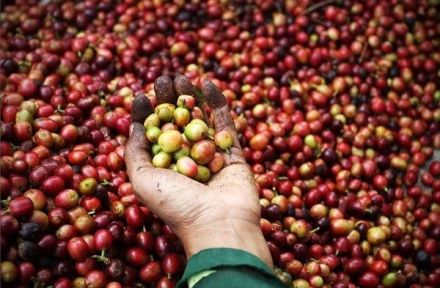
From the planting of coffee trees to the harvest of coffee beans
Coffee trees take 3-5 years from planting to fruiting. 6-10 years of coffee trees are the most likely to bear fruit, about 15-20 years, is the harvest period. Coffee trees are usually bred in nurseries and grow into saplings, and then moved to coffee farms a year later, in full compliance with the way the Arabs planted and cultivated coffee trees. Coffee trees will continue to take root downward and upward in the first four or five years of their growth.
2015-03-27 Coffee planting coffee beans harvest process coffee fruit 3-5 year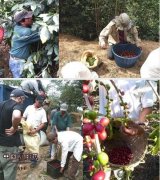
It takes 3-5 years from coffee tree planting to coffee bean harvest.
Coffee trees take 3-5 years from planting to fruiting. 6-10 years of coffee trees are the most likely to bear fruit, about 15-20 years, is the harvest period. Coffee trees are usually bred in nurseries and grow into saplings, and then moved to coffee farms a year later, in full compliance with the way the Arabs planted and cultivated coffee trees. Coffee trees will continue to take root downward and upward in the first four or five years of their growth.
2015-11-02 Coffee planting coffee beans harvest 3-5 years coffee fruit 3-5
The birth of coffee beans (1)
Coffee trees take 3-5 years from planting to fruiting. 6-10 Coffee trees bear fruit most easily in 15-20 years, which is the harvest period. Coffee trees are usually bred in nurseries, grown into saplings, and then moved to coffee plantations a year later, following exactly the same methods used by Arabs to grow coffee trees. For the first four or five years of its life, coffee trees take root downwards and grow upwards.
2014-08-26 Coffee knowledge coffee bean birth coffee encyclopedia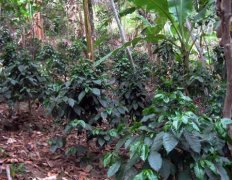
Coffee trees take 3-5 years from planting to fruiting.
Coffee trees take 3-5 years from planting to fruiting. 6-10 years of coffee trees are the most likely to bear fruit, about 15-20 years, is the harvest period. Coffee trees are usually bred in nurseries and grow into saplings, and then moved to coffee farms a year later, in full compliance with the way the Arabs planted and cultivated coffee trees. Coffee trees will continue to take root downward and upward in the first four or five years of their growth.
2015-09-15 Coffee planting fruit 3-5 years old coffee
General knowledge of boutique coffee from coffee tree planting to coffee bean harvest
Coffee trees take 3-5 years from planting to fruiting. 6-10 years of coffee trees are the most likely to bear fruit, about 15-20 years, is the harvest period. Coffee trees are usually bred in nurseries and grow into saplings, and then moved to coffee farms a year later, in full compliance with the way the Arabs planted and cultivated coffee trees. Coffee trees will continue to take root downward and upward in the first four or five years of their growth.
2014-12-19 Boutique coffee common sense planting coffee beans harvest results 3-